TIPS FOR NRI’s BUYING PROPERTY IN INDIA
NRI's should be aware that courts are slow in India and cases that involve property can take decades to settle. Hence it is better to be careful to check and verify documents before purchasing property in India. Horror stories of real estate transactions are not uncommon in India. Most registration offices for property in India are not computerized yet. Records are kept in manual registers and it is all the more necessary to get all required documents and keep them with care.Tips for purchasing a flat or vacant land in India.
1. Builder’s reputation should be checked out. What other projects has this builder built? Don’t just look at glossy brochures and be satisfied. 2. See the documentation for the lands on which to flats are to be built. There should be a proper certificate issued by a lawyer with a standing of at least three years. Documents usually name the parties from whom the land has been acquired etc. ( It is always better to get your own lawyer to advise you on such matters.) 3. Check that the plans provided by the builder have been approved by the local government authorities. 4. What happens if project is delayed? It is not uncommon for builders to raise prices later if market prices go up. So ask questions before giving deposit. 5. Get promises in writing as verbal promises are worthless when there is a dispute. 6. Take steps to make the builder aware that you will be provided with a completion certificate that has been granted by the local authorities BEFORE possession. 7. Get clarification in writing on how builder will hand over after construction is completed. Such as cooperative society etc. This may not seem important to many purchasers when buying but can prove to be a costly affair later. Note: I have purchased a flat in India and now our building complex is having a dispute over who runs the building. The builder is not willing to give up control and has formed a management authority to run the building. At the same time some residents have formed a society and want control. This type of situation is common in India as builders do not want to give up control. The reasoning behind this is usually greed. When flats are resold by owners they need a no objection certificate (NOC) from the society. If no society then the builder provides this and he will usually charge a hefty fee for giving an NOC. This can be a percentage of the sale price and can run into lakhs of rupees. I am told that in case a builder does not hand over control to a elected society in a building. Then he still owns the land and any relaxation in building codes entitles him to construct more flats etc. in the building and keep the sale proceeds. He may for instance if the law permits add another floor to the building. In India builders will usually refuse to take full money by cheque. There is usually a black market amount involved which means cash payment. Stay away from such transactions. NRIs should only make cheque payments and some reputable builders understand and accept this. Making cheque payments will also help later in repatriating your money in case you sell the flat at a later date.


Inheriting agricultural or other property in India by NRI . . . . . . .
Repatriate money from sale of property - Transfer funds abroad


NRI - OCI - PIO Guide & Information

Disclaimer: Information provided is for general knowledge only and should not be deemed to be professional advice. For professional advice kindly consult a
professional accountant, immigration advisor or the Indian consulate. Rules and regulations do change from time to time. Please note that in case of any variation
between what has been stated on this website and the relevant Act, Rules, Regulations, Policy Statements etc. the latter shall prevail.
© Copyright 2006 Nriinformation.com






TIPS FOR NRI’s BUYING PROPERTY IN INDIA
NRI's should be aware that courts are slow in India and cases that involve property can take decades to settle. Hence it is better to be careful to check and verify documents before purchasing property in India. Horror stories of real estate transactions are not uncommon in India. Most registration offices for property in India are not computerized yet. Records are kept in manual registers and it is all the more necessary to get all required documents and keep them with care.Tips for purchasing a flat or vacant land in India.
1. Builder’s reputation should be checked out. What other projects has this builder built? Don’t just look at glossy brochures and be satisfied. 2. See the documentation for the lands on which to flats are to be built. There should be a proper certificate issued by a lawyer with a standing of at least three years. Documents usually name the parties from whom the land has been acquired etc. ( It is always better to get your own lawyer to advise you on such matters.) 3. Check that the plans provided by the builder have been approved by the local government authorities. 4. What happens if project is delayed? It is not uncommon for builders to raise prices later if market prices go up. So ask questions before giving deposit. 5. Get promises in writing as verbal promises are worthless when there is a dispute. 6. Take steps to make the builder aware that you will be provided with a completion certificate that has been granted by the local authorities BEFORE possession. 7. Get clarification in writing on how builder will hand over after construction is completed. Such as cooperative society etc. This may not seem important to many purchasers when buying but can prove to be a costly affair later. Note: I have purchased a flat in India and now our building complex is having a dispute over who runs the building. The builder is not willing to give up control and has formed a management authority to run the building. At the same time some residents have formed a society and want control. This type of situation is common in India as builders do not want to give up control. The reasoning behind this is usually greed. When flats are resold by owners they need a no objection certificate (NOC) from the society. If no society then the builder provides this and he will usually charge a hefty fee for giving an NOC. This can be a percentage of the sale price and can run into lakhs of rupees. I am told that in case a builder does not hand over control to a elected society in a building. Then he still owns the land and any relaxation in building codes entitles him to construct more flats etc. in the building and keep the sale proceeds. He may for instance if the law permits add another floor to the building. In India builders will usually refuse to take full money by cheque. There is usually a black market amount involved which means cash payment. Stay away from such transactions. NRIs should only make cheque payments and some reputable builders understand and accept this. Making cheque payments will also help later in repatriating your money in case you sell the flat at a later date.




Disclaimer: Information provided is for general knowledge only and should not be
deemed to be professional advice. For professional advice kindly consult a professional
accountant, immigration advisor or the Indian consulate. Rules and regulations do
change from time to time. Please note that in case of any variation between what has
been stated on this website and the relevant Act, Rules, Regulations, Policy Statements
etc. the latter shall prevail.
© Copyright 2006 Nriinformation.com

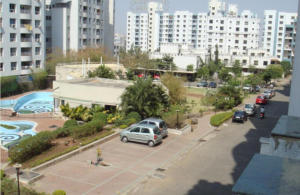
Pune India